Your garden should bring joy, not pests. Yet many homeowners in Hallam and South-East Melbourne battle unwanted critters every season. The solution starts with smart design. You can create a beautiful outdoor space that naturally repels pests.
This guide shows you how to master Garden Pest Control through thoughtful landscaping. You’ll learn proven strategies to protect your yard and home. Let’s dig in and build a smarter approach to Garden Pest Control that works year-round in Melbourne.
Why Your Garden Design Matters for Garden Pest Control
Pests don’t appear randomly. They follow patterns. They seek food, water, and shelter. Your garden layout either invites them or blocks them.
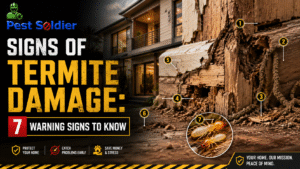
Traditional gardens often create a pest paradise. Dense plantings trap moisture. Standing water breeds mosquitoes. Wood mulch comes into contact with foundations and attracts termites.
Smart design flips the script. You work with nature, not against it. You create barriers. You eliminate attractions. You build a pest-resistant garden that thrives — and supports long-term Garden Pest Control without relying heavily on chemicals.
Melbourne’s climate adds complexity. Wet springs and hot summers stress plants. Stressed plants attract aphids and scale insects. Poor drainage creates breeding grounds.
Good design addresses these challenges head-on.
Start with the Basics: Garden Layout Strategies
Create Defensible Space
A strategic layout is the foundation of effective Garden Pest Control, especially in climates like Hallam and South-East Melbourne, where seasonal pest pressure is high.
Zone 1 (0-30cm from house): Keep this area clear. Use gravel or pavers, not mulch. Trim plants low. This dry zone deters crawling insects.
Zone 2 (30cm-2 metres): Plant low shrubs and herbs. Choose pest-repellent varieties. Lavender, rosemary, and mint work beautifully here.
Zone 3 (2+ metres): Trees and larger plantings go here. Keep branches trimmed away from roofs and walls.
This layered approach prevents pests from reaching your home. It also looks stunning.
Improve Garden Drainage to Stop Pests
Proper drainage is one of the most overlooked elements of Garden Pest Control, yet it plays a critical role in preventing mosquito breeding and soil-based infestations.
Walk your yard after heavy rain. Note puddles that linger more than 24 hours. These spots need fixing.
Solutions include:
- French drains for soggy areas
- Raising garden beds 15cm minimum
- Creating gentle slopes away from foundations
- Installing rain gardens to capture runoff
Fast drainage eliminates mosquito breeding sites. It also prevents root rot and fungal diseases that attract other pests.
Choose the Right Mulch
Mulch benefits gardens enormously. It retains moisture. It suppresses weeds. It regulates soil temperature.
But the choice of mulch significantly affects the Garden Pest Control.
Wood chips in contact with your house invite termites and carpenter ants. They create highways into your structure.
Keep organic mulch 15cm from foundations. Use gravel or stone in that buffer zone instead.
Consider inorganic options like pebbles or rubber mulch near the house. They don’t decay or attract insects.
Choosing the correct mulch material strengthens your overall Garden Pest Control strategy and reduces the risk of termite and ant infestations near structures.
Plant Selection: Your Natural Defense System
Pest-Repellent Plants for Melbourne Gardens
Plant selection is a powerful pillar of organic Garden Pest Control, allowing homeowners to create a self-defending landscape.
Lavender: Repels moths, fleas, and mosquitoes. Drought-tolerant once established. Perfect for Hallam’s warm summers.
Rosemary: Deters cabbage moths and carrot flies. Grows well in poor soil. Trim regularly for bushy growth.
Mint: Strong scent confuses pest insects. Plant in containers. It spreads aggressively in garden beds.
Marigolds: Roots secrete compounds that repel nematodes. Flowers attract beneficial insects. Easy to grow from seed.
Chrysanthemums: Contain pyrethrin, a natural insecticide. Effective against roaches, ants, and ticks.
Garlic and chives: Repel aphids and Japanese beetles. Plant near roses and vegetables.
Position these plants near entry points. Line pathways with them. Create borders around entertaining areas.
Attract Beneficial Insects
Not all bugs are bad. Some eat pests. Design your garden to welcome them.
Ladybugs devour aphids. Lacewings eat caterpillars. Praying mantises catch flies and crickets.
Plant nectar-rich flowers to feed these allies. Good choices include:
- Daisy’s family plants (cosmos, sunflowers)
- Umbellifers (dill, fennel, parsley)
- Native wildflowers
Provide water sources. Shallow dishes with pebbles work perfectly. Beneficial insects need drinking spots too.
Avoid broad-spectrum pesticides. They kill beneficial insects along with harmful ones.
Specific Garden Pest Control
Mosquito Control in the Garden
Effective mosquito management is a major component of successful Garden Pest Control, particularly during Melbourne’s warmer months.
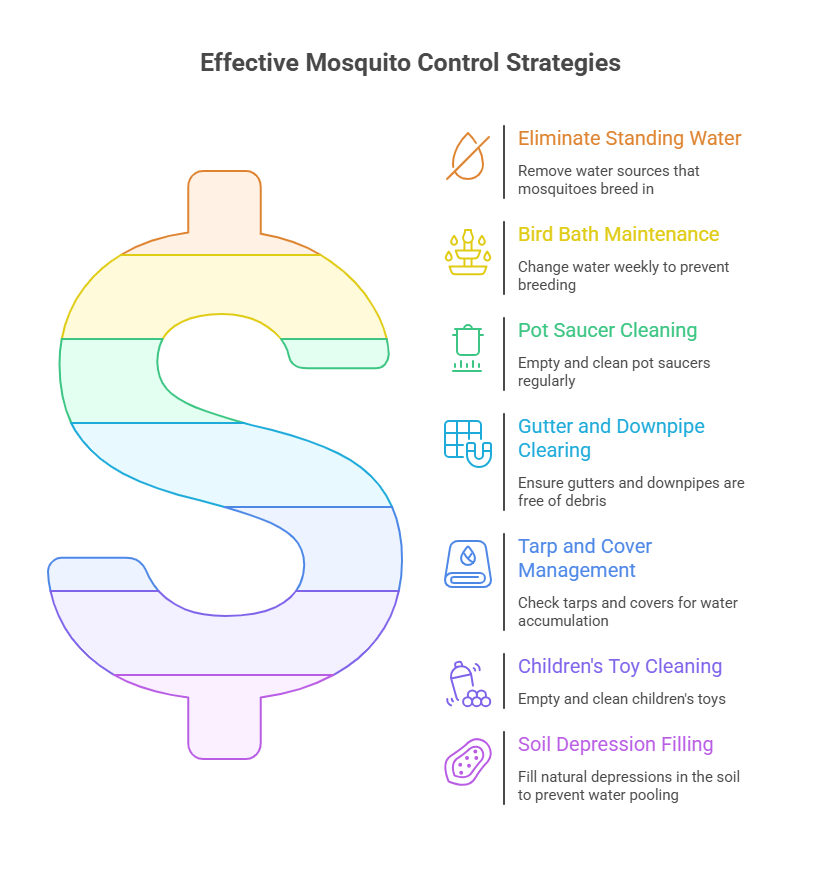
Eliminate all standing water. Check these spots:
- Bird baths (change water weekly)
- Pot saucers
- Gutters and downpipes
- Tarps and covers
- Children’s toys
- Natural depressions in soil
Install bat boxes. One bat eats thousands of mosquitoes nightly. They’re natural pest controllers.
Consider mosquito-repelling plants. Citronella grass, lemon balm, and catnip help. Their effectiveness varies, but every bit helps.
Use outdoor fans on patios. Mosquitoes are weak flyers. Breeze keeps them away.
Managing Ants in the Garden
Targeted ant management supports your broader Garden Pest Control plan and prevents indoor invasions.
Keep ants outside where they belong.
Locate nests in spring. Watch ant trails. Find their mounds.
Pour boiling water directly into nests. This kills colonies without chemicals. Repeat for stubborn infestations.
Create barriers with diatomaceous earth. Sprinkle it around plant bases. It scratches and exoskeletons, causing dehydration.
Cinnamon and coffee grounds temporarily repel ants. Use them while addressing attractants.
Seal cracks in paving. Ants nest in these gaps. Polymeric sand between paver blocks in the entry.
Preventing Rodent Problems
Rodent prevention should always be included in a comprehensive Garden Pest Control approach.
Keep the grass mowed short. Trim ground covers regularly. Eliminate hiding spots.
Harvest produce promptly. Fallen fruit attracts rodents nightly. Pick up windfalls every evening.
Store bird seed in metal containers. Rats chew through plastic. Position feeders away from the house.
Compost properly. Turn piles weekly. Hot composting kills rodent attractants. Bury food scraps deeply.
Check garden sheds. Rodents nest in stored pots and bags. Keep storage organised and elevated.
Hardscaping for Pest Prevention
Pathways and Patios
Solid surfaces create pest barriers. They also look polished.
Use pavers, concrete, or gravel for main walkways. These materials don’t harbor insects like soil does.
Ensure proper installation. Gaps between pavers collect debris. Weeds grow. Pests hide.
Seal expansion joints in concrete. This prevents ant colonies from establishing.
Raised Garden Beds
Raised beds offer multiple pest advantages. They improve drainage. They warm soil faster. They create physical barriers.
Build beds 30cm high minimum. Use metal, stone, or composite materials. Avoid wood unless treated for termites.
Install hardware cloth at the bottom. This stops burrowing rodents from below.
Fencing Solutions
Good fences make good neighbors. They also block pests.
Install fine mesh fencing around vegetable gardens. 6mm hardware cloth stops rabbits and rats.
Bury fencing 15cm deep. This prevents digging underneath.
Keep fence lines clear. Vegetation touching fences creates bridges for pests.
Water Features Without the Pests
Ponds and fountains add beauty. They also attract mosquitoes if poorly designed.
Install fountains with moving water. Mosquitoes breed in still water. Pumps and aerators prevent this.
Add mosquito fish (Gambusia) to ponds. These small fish eat mosquito larvae. They’re legal in Victoria and highly effective.
Use biological controls like Bacillus thuringiensis (Bt). This natural bacteria kills mosquito larvae. It’s safe for fish, birds, and pets.
Clean features regularly. Remove leaves and debris. These decay and create breeding conditions.
Seasonal Maintenance for Pest-Free Gardens
Spring Tasks
Seasonal maintenance keeps your Garden Pest Control efforts consistent and effective throughout the year.
Prune winter damage. Open up dense growth. Air circulation prevents fungal diseases.
Apply fresh mulch after the soil warms. Wait until October in cooler suburbs.
Inspect irrigation systems. Fix leaks promptly. Check for proper coverage.
Begin beneficial insect releases. Ladybugs and lacewings establish before pest populations boom.
Summer Care
Heat stresses plants. Stressed plants attract pests.
Water deeply but infrequently. This builds strong root systems. Avoid light daily sprinkling.
Monitor for pest outbreaks. Check the undersides of leaves. Look for honeydew, the sticky residue aphids leave.
Harvest vegetables young. Overripe produce draws fruit flies and rodents.
Maintain mowing schedules. Don’t let grass grow shaggy.
Autumn Preparation
Clean up fallen leaves. They harbor overwintering pests.
Plant cover crops. They improve soil and suppress weeds. Choose pest-resistant varieties.
Empty and store containers. They collect winter rain and breed mosquitoes.
Prune perennials. Remove diseased material completely. Don’t compost infected plants.
Winter Planning
Plan next year’s layout. Rotate vegetable positions. This confuses pest cycles.
Order seeds early. Choose resistant varieties. Read descriptions carefully.
Repair hardscaping. Fix fences and paths. Seal gaps in sheds.
Schedule professional inspections. Winter reveals structural issues hidden by summer growth.
Natural Garden Pest Controller That Works
Companion Planting
Certain plant combinations protect each other. This ancient practice still works.
Plant basil near tomatoes. It repels flies and mosquitoes. It may improve tomato flavor too.
Grow nasturtiums as trap crops. Aphids prefer them over vegetables. Check and remove infested nasturtiums regularly.
Interplant onions with carrots. The onion smell confuses carrot rust flies. Both crops thrive.
Homemade Sprays
Simple recipes help in small outbreaks.
Garlic spray: Blend 10 cloves with water. Strain. Add a teaspoon of dish soap. Spray on affected plants.
Chili spray: Boil hot peppers in water. Cool. Strain. Add soap. Test on a small area first.
Oil sprays: Mix 1 cup of vegetable oil with a tablespoon of soap. Dilute 2 tablespoons per litre of water. Suffocates soft-bodied insects.
Apply sprays in the evening. Avoid beneficial insects. Reapply after rain.
Physical Barriers
Sometimes simple barriers work best.
Row covers exclude flying insects. Use a fine mesh over vegetables. Remove for pollination when plants flower.
Collars around seedling stems stop cutworms. Use cardboard tubes or plastic rings.
Sticky traps catch whiteflies and fungus gnats. Place them near affected plants. Check and replace regularly.
Handpicking works for large pests. Drop caterpillars into soapy water. Wear gloves for comfort.
When to Call Professional Help
Professional support ensures your Garden Pest Control strategy remains targeted, safe, and environmentally responsible.
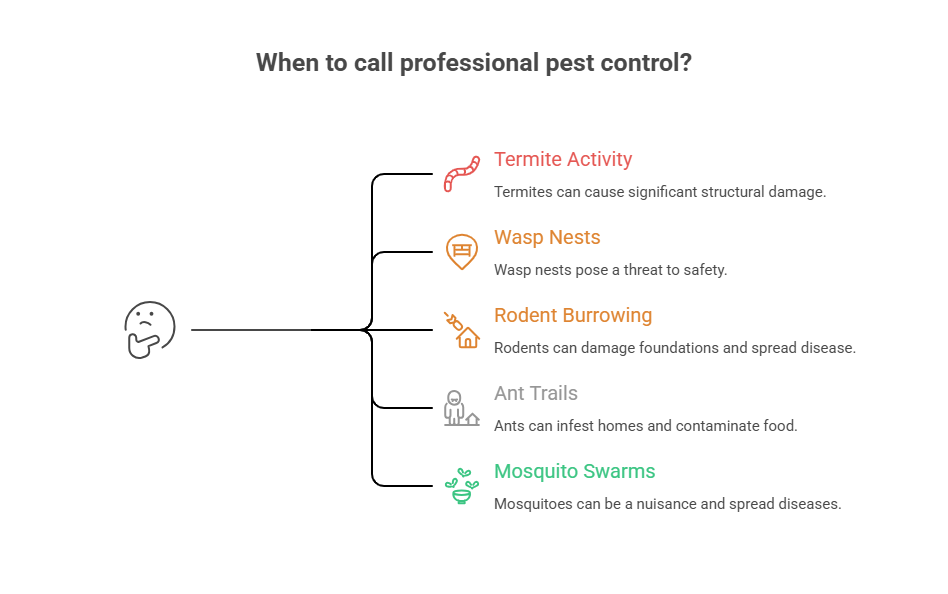
Contact Pest Soldiers if you notice:
- Termite activity in garden beds or fences
- Wasp nests near entertaining areas
- Heavy rodent burrowing near foundations
- Persistent ant trails entering your home
- Mosquito swarms despite your efforts
Professional outdoor pest control tips include targeted treatments. We identify specific species. We apply precise solutions. We protect beneficial insects.
Our team understands Melbourne gardens. We know local pest patterns. We create customised plans for your property.
Designing for Long-Term Success
Great pest-free garden design evolves. It improves yearly. Follow these principles:
Diversity: Mix plant types. Monocultures attract specialist pests. Variety confuses them.
Health: Healthy plants resist pests naturally. Build soil with compost. Water appropriately. Prune for air flow.
Observation: Walk your garden daily. Spot problems early. Small issues stay small with quick action.
Balance: Accept some pest presence. Zero tolerance requires heavy intervention. Aim for manageable levels.
Integration: Combine strategies. No single method works alone. Layer your defenses.
Frequently Asked Questions
What plants naturally keep pests away from my garden?
Lavender, rosemary, mint, marigolds, and chrysanthemums top the list. They repel mosquitoes, ants, aphids, and many other pests. Plant them near entry points and seating areas.
How do I stop mosquitoes from breeding in my garden?
Eliminate all standing water. Change the bird bath water weekly. Fix drainage issues. Install fountains with moving water. Consider mosquito-eating fish in ponds.
Is wood mulch bad for Garden pest control?
Wood mulch benefits plants but requires careful placement. Keep it 15cm from the house foundations. This gap prevents termite and ant highways from entering your home.
Why do I have more pests after rain?
Rain creates standing water. It softens soil for easy digging. It triggers breeding in many species. It also stresses plants, making them vulnerable to attack.
Can garden design really prevent pests from entering my house?
Absolutely. Strategic plant placement creates barriers. Proper drainage eliminates attractants. Clear zones near walls block crawling insects. Good design works better than sprays.
Transform Your Garden Today
Smart Garden Pest Control begins with intelligent design, consistent maintenance, and strategic plant selection.
Implement these tips gradually. Start with drainage fixes. Add pest-repellent plants. Adjust your maintenance routines.
Small changes create big results. Your Hallam garden can thrive pest-free.
Need expert guidance? Pest Soldiers helps South-East Melbourne homeowners protect their properties. We combine garden expertise with proven pest control methods.
Call us now: 0469 440 886
Visit our website: https://pestsoldiers.com.au/
Email your questions: iqbal@pestsoldiers.com.au
Find us at: 25 Gibson Street, Hallam VIC 3803
By combining landscaping principles with proactive Garden Pest Control, your Hallam property can stay protected year-round.